ARTICLES + POSTS 🧑🎓
The CLEAR Blog.
Welcome to the official blog of CLEAR Acne Treatment Centers. There are 100+ posts about acne, so make yourself comfortable and take a look around!


Accutane® and Mental Health: What You Should Know Before Starting
Accutane® (isotretinoin) is known for being one of the most effective acne treatments ever developed. For people struggling with severe, cystic, or treatment-resistant acne, it can feel like a miracle—clearing skin that no topical or antibiotic could touch. But while Accutane® has a long track record of delivering dramatic results, it also comes with a reputation for serious side effects, including those that affect mental health.

AviClear® vs Accutane®: Which Acne Treatment Is Right for You?
If you’ve struggled with acne for years, you’ve probably heard of Accutane®. But there’s a newer option that’s quickly gaining attention—and changing lives—called AviClear®. Whether your breakouts are hormonal, cystic, or seemingly impossible to manage, you might be wondering: which one actually works better? What are the side effects? And how do you choose between them?

What Accutane® Really Feels Like: Physical Side Effects You Should Know About
Accutane® (isotretinoin) is one of the most powerful and effective treatments for severe or stubborn acne. For many people, it can feel like a miracle—clearing skin when nothing else has worked. But it’s also known for its long list of potential side effects. While some are mild and manageable, others can be more significant, especially when it comes to how your body feels during treatment.
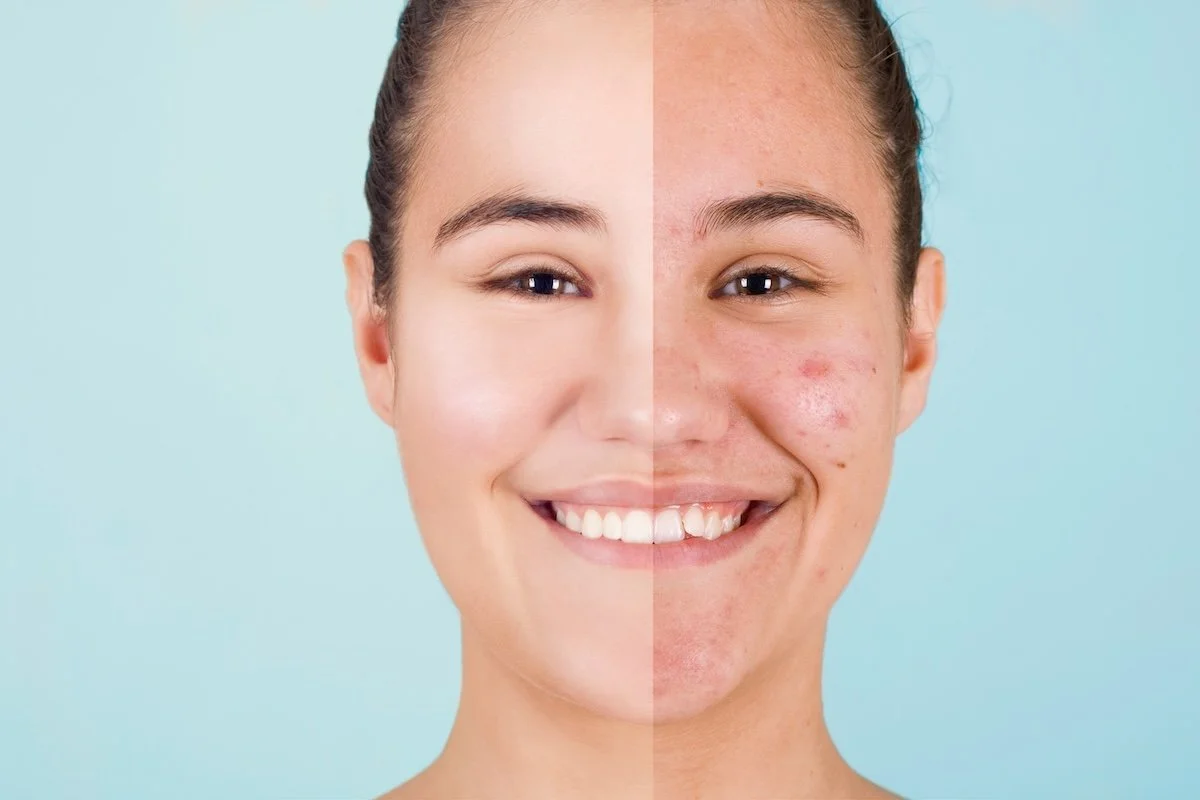
Inside the Technology of AviClear®: How the Acne-Clearing Laser Works
For decades, acne treatment has meant harsh creams, repeated prescriptions, and a long list of side effects. But what if the real breakthrough in acne wasn’t another pill or topical? What if it came from laser technology? Enter AviClear®—the first ever FDA-cleared laser designed specifically to treat acne at its source. At CLEAR Acne Treatment Centers, we focus exclusively on AviClear® because it’s unlike anything else out there.

Breaking the Acne Chain Reaction: How to Stop Breakouts Before They Start
Acne can feel like a never-ending cycle. You treat one breakout, and another pops up right behind it. You change your cleanser, try a new serum, cut out dairy—but nothing seems to truly stop the breakouts from coming. That’s because acne is rarely just a surface issue. It’s part of a deeper, more complex chain reaction happening within your skin.
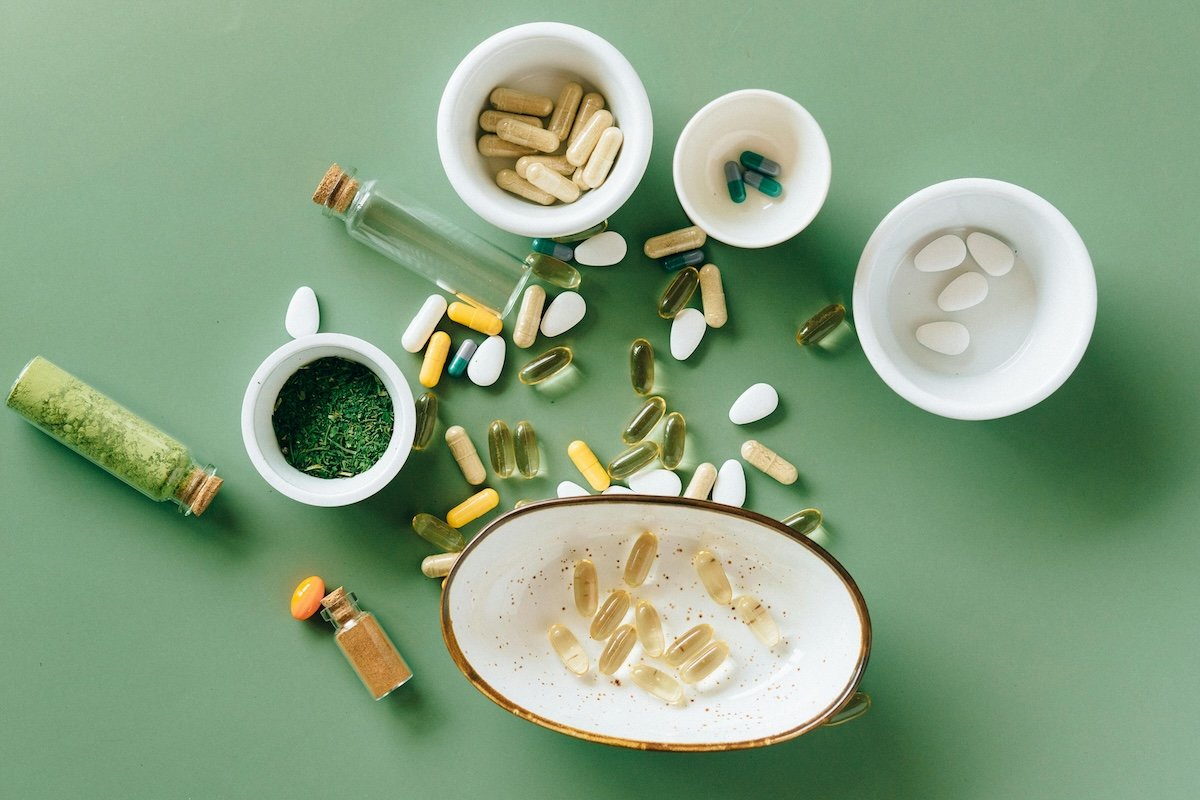
Can You Really Treat Acne With Supplements?
Acne can feel like a frustrating puzzle with far too many pieces—topical treatments, prescriptions, lifestyle changes, and, of course, the ever-expanding world of supplements. If you’ve ever found yourself staring at a bottle of zinc or DIM and wondering, Could this be the thing that finally clears my skin?—you’re definitely not alone. Supplements for acne are often marketed as natural solutions to a complex problem.

Can What You Eat Really Affect Your Skin?
When you’re struggling with acne, it’s only natural to wonder if what you’re eating might be making things worse—or better. After all, we’ve all heard the stories: dairy causes breakouts, chocolate is the enemy, and sugar is skin sabotage. But how much truth is there to these claims? And more importantly, can changing your diet actually clear your skin?

Is Accutane® Worth the Cost? What to Expect Before You Start
If you’ve been struggling with persistent, cystic, or treatment-resistant acne, chances are you’ve considered Accutane®. Also known by its generic name isotretinoin, Accutane® has a reputation as the “big guns” of acne treatment. And while it can deliver transformative results, one of the biggest questions we hear at CLEAR Acne Treatment Centers is: How much does Accutane® actually cost?
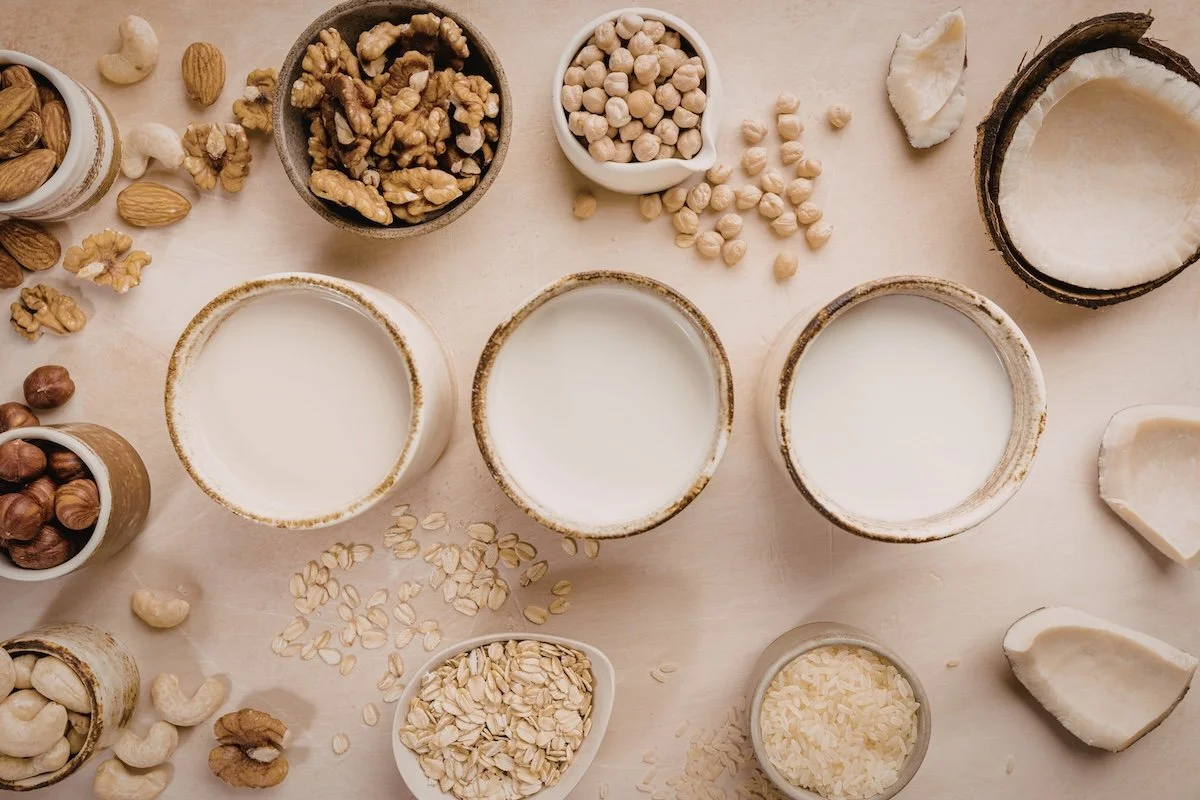
The Best Dairy Milk Alternatives for Acne-Prone Skin (and Which Ones to Skip)
One of the first things many people notice when they’re trying to clear their skin is that dairy — especially milk — seems to make things worse. In this article, we’ll walk through the best dairy milk alternatives for acne-prone skin, explain why they tend to work better, and help you choose the right option based on your skin, not just the label on the carton.

Are New Antibiotics for Acne Better Than the Old Ones?
If you’ve been dealing with stubborn acne, chances are you’ve already heard about common antibiotics like doxycycline and clindamycin. But recently, a wave of new, prescription-only acne treatments has hit the market—promising targeted results with fewer side effects. So what’s new, and do these updated options really deliver?
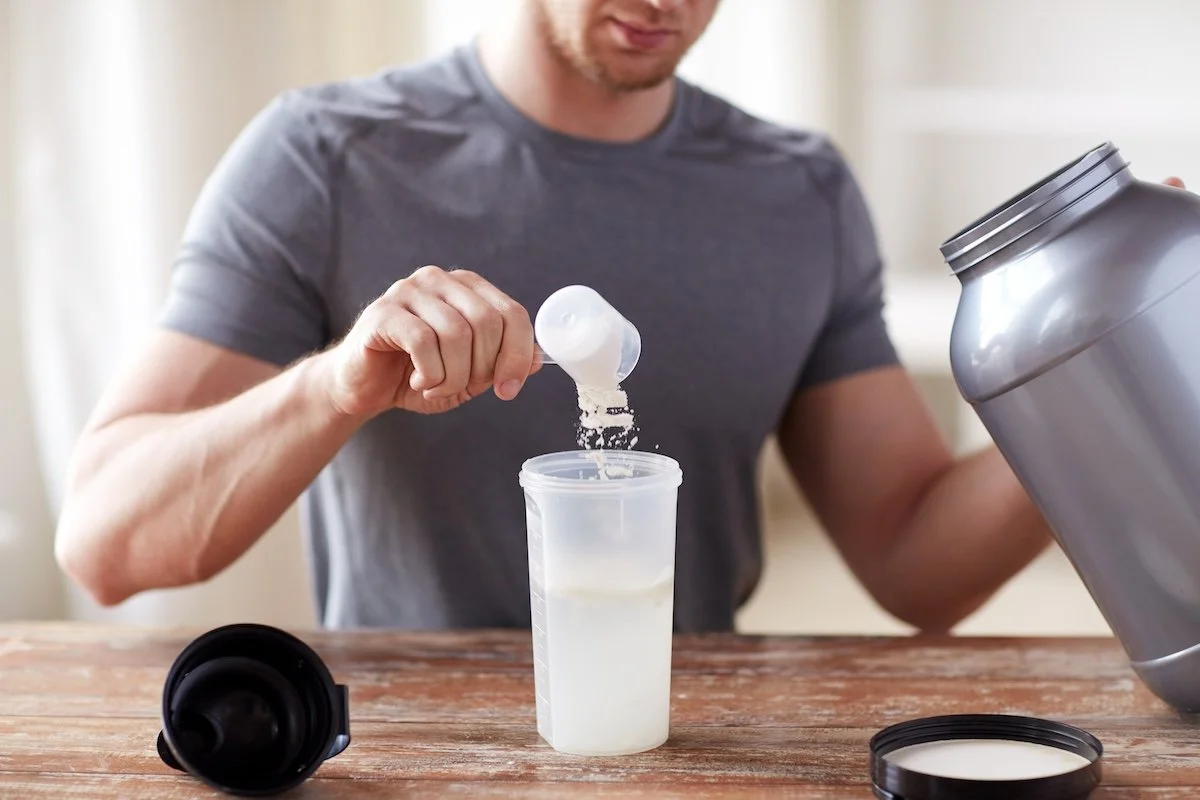
Does Creatine Cause Acne? Let’s Clear This Up
Here’s the short version up front: creatine doesn’t directly cause acne. It doesn’t clog pores, it’s not inflammatory on its own, and it isn’t a hormone. But for some people — especially those who are already acne-prone — creatine can nudge the body in a way that allows acne to show up more easily.

Thinking About Isotretinoin (Accutane®) for Acne? Here’s What You Should Know
If you’ve been battling stubborn, cystic, or scarring acne, there’s a good chance someone has mentioned isotretinoin—more commonly known by its original brand name, Accutane®. For decades, it’s been considered the “nuclear option” for severe acne: a powerful oral medication that can dramatically reduce oil production and bring long-term clearance. But just because it’s effective doesn’t mean it’s the right choice for everyone.

Prescription Topicals Are Getting an Upgrade — Here’s What to Know
If you’ve ever dealt with acne, chances are you’ve heard of retinoids, benzoyl peroxide, or clindamycin. These classics have been around for decades—and for good reason. But in recent years, a new generation of prescription topical treatments has emerged. These formulas combine the effectiveness of traditional ingredients with improved tolerability, smarter delivery systems, and innovative mechanisms that go beyond surface-level care.

Understanding Birth Control Side Effects—Especially When You’re Treating Acne
For many people struggling with acne, birth control is often recommended as part of their treatment plan. And while it can be incredibly effective at calming hormonal breakouts, it’s important to understand what else it might do to your body. Like any medication, birth control comes with potential side effects—and knowing what to expect can help you make an informed choice.

Can Birth Control Really Help With Acne?
If your skin seems to break out on a schedule—flaring up around your period or clustering along your jawline—it’s not your imagination. Hormonal acne is real, and for many women, it’s one of the most frustrating types to manage. That’s one reason birth control has been used for decades as a way to not only prevent pregnancy but to calm breakouts and regulate skin. But how effective is birth control for acne, really?

Oral Spironolactone for Acne: What Side Effects Should You Watch For?
When acne feels relentless—especially along the jawline, chin, or lower cheeks—your dermatologist might mention a treatment called oral spironolactone. Originally developed as a diuretic to treat high blood pressure, spironolactone has gained popularity in dermatology for its ability to reduce oil production and target the hormonal root of breakouts, especially in women. While it’s been a game-changer for many, it’s not a quick fix—and it’s not without potential downsides.

Thinking About Spironolactone for Acne? Here’s What You Should Know
If you’ve been struggling with stubborn hormonal acne, you’ve probably come across the name “spironolactone.” Originally developed as a diuretic for heart patients, this medication has found a second life in dermatology—especially for women dealing with acne that just won’t quit. Spironolactone works differently from other acne treatments. Instead of targeting bacteria or clogged pores directly, it tackles one of acne’s root causes: hormones.

Can You Treat Hormonal Acne Without Pills? Meet Topical Spironolactone
You may have heard of spironolactone in pill form, but there’s also a topical version that’s gaining popularity—especially among those dealing with hormonally driven breakouts. By delivering the oil-reducing effects of spironolactone directly to the skin, the topical form offers a more localized approach without the need for daily medication.